
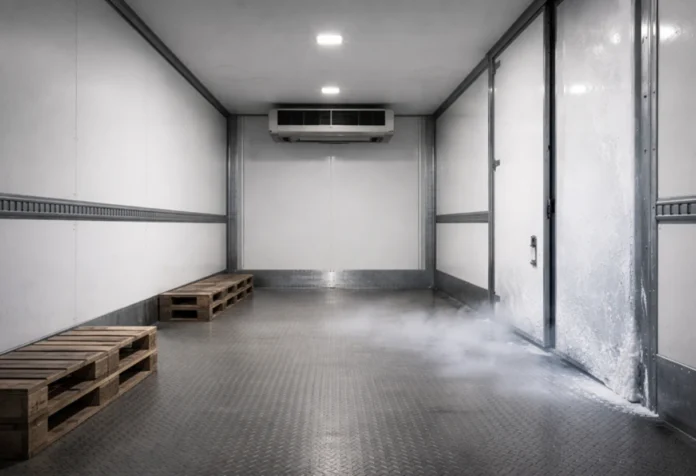
Rarely is uneven cooling in a reefer truck “just the unit acting up.” Most of the time, it’s an air movement issue caused by tiny leaks that gradually lead to expensive temperature swings, damp packaging, icy build-up, and scrap loads. Whether you run a cold-chain fleet or purchase supply from a composite box company, understanding how and where leaks form, and the role modern composite construction plays in preventing them, will save time and protect cargo quality.
In my time reviewing build specs and maintenance reports for cold-chain operators over the years, I have seen a pattern: teams fix sensors, adjust setpoints, and service the refrigeration unit first. But often, the real villain is the box itself.
Truck Body Durability and Why It Matters
A refrigerated truck body’s dependability is only as durable as its gaskets, joints, and insulation integrity. If the box cannot hold a controlled atmosphere, the refrigeration unit ends up fighting a constant battle against infiltration.
How Air Leaks Lead to Uneven Cooling
A cold box is intended to perform as a managed atmosphere enclosure. When outside air enters, it does three things at once. It carries in heat, it brings moisture that becomes frost and ice, and it interferes with proper circulation. That disruption is what produces hot spots in the back, warm corners by the doors, and unpredictable readings across pallets.
Many operators see a “good” temperature at the return air sensor, but still have warm product deeper in the load. That discrepancy is a classic sign that cold air cycles are short-cycling or escaping, while warm ambient air is creeping in through gaps.
Key Leak Points in a Refrigerated Truck Body
Not even the tightest reefer unit can make up for structural leaks. Begin at the places that shift, flex, or take impacts.
Back Doors and Surrounding Weather Seals
Door gaskets can age, harden, and split. If the hinges and catches are out of alignment, not enough compression is achieved and micro-gaps form. The gap may be too small to feel, but it is enough to create moisture trails and localized condensation.
Floor Perimeters, Thresholds, and Drain Zones
Cold air sinks, so the floor line is often a culprit. Inspect for sealant cracks at the threshold, worn kick plates, and gaps around drain fittings. If your floor has thermal bridging near metal edges, that can make the problem worse.
Refrigeration Unit Mountings and Front Wall Penetrations
Any penetration for utilities, waste draw-off, or screws is a potential leak site. Poorly sealed penetrations are a direct pathway for humid vapor, which later appears as frost near the front.
Seams, Corners, and Mended Roof Panels
Corners are stress points. If the body has been repaired after impact, seam sealant can look fine but fail under vibration. Roof leaks can also allow hot air intrusion in summer and cause drip marks that are wrongly blamed on “humidity.”
Why Leaks Are Less Likely in Composite Construction
A good composite box manufacturer uses insulated composite panels designed to provide resistance to thermal bridging and durability over time. Compared to older mixed-material bodies (wood, aluminum skins, and multiple framing members), composite panel systems often have fewer joints that need sealing and resealing.
In a durable refrigerated truck body, composite panels enable more continuous insulation, which helps maintain consistent wall temperatures so seals and adhesives are not constantly cycling between extremes. This matters because repeated expansion and contraction is what breaks caulks, tapes, and corner joints.
Composite construction also handles moisture exposure better than wood-based structures that can swell, soften, and create hidden gaps no new gasket will fix.
How to Check for Air Leaks
You do not need fancy laboratory equipment to identify most leaks, but you do need a consistent system.
Visual Cues That Rarely Lie
Search around seams for frost lines, water streaks originating at corners, and dusty “tracks” where airflow pulls dirt inward. If you notice repeated ice collecting near any door corner, treat it like a leak until proven otherwise.
The Light Test
At night, set a strong light inside the box and close the doors. Walk around the outside looking for slivers of light where seals, hinges, corners, and penetrations are not doing their job. It is simple, fast, and effective.
The Paper Pull Test
Close the door on a piece of paper at two or three spots. If the paper slips out easily, the seal is not compressing firmly in that area.
Smoke or Vapor Tracing
Airflow direction on door edges and seams can be checked using a controlled smoke pencil or safe vapor source. Use safe working habits and avoid contaminating food-grade environments.
Fixing Leaks the Right Way
Once you identify the leak, avoid quick patches that last only weeks. A proper repair is one where the fix matches the cause.
Replace a torn or hardened gasket, then check door alignment and latch compression. For failed sealant, remove the failed material, clean the surface, then reseal with a product designed for low-temperature cycling. For penetrations, reseal on both sides if possible and secure bolts until proper seating is achieved.
If leaks keep returning, it may be a structural flex issue. This is where sourcing from a reputable composite box company helps, because a more rigid, better-engineered body holds seals in their intended geometry longer.
How to Avoid Uneven Cooling Before It Happens
Prevention is cheaper than one rejected load. Build seal checks into your schedule, especially before peak summer. Train crews to recognize early warning signs such as persistent condensation at the rear frame or recurring frost at a corner. During washdown, do not ignore signs of water ingress, because water follows air more often than not.
Vehicle maintenance and digital operations also link directly to fleet resilience. For example, if there are anomalous temperature readings in your monitoring system logs, treat them like damaged cargo coming off the vessel. Some Asia-based logistics teams turn to data recovery singapore solutions to recover compliance records lost after drive failures, which is a reminder that resilience includes physical integrity and information integrity. Similarly, maintain backups of reefer telemetry and consider support options such as hard disk data recovery singapore, ssd data recovery singapore, or raid data recovery singapore if critical logs are stored on-site. This reduces the risk of paperwork disaster turning into a contract disaster through a data recovery service singapore partner.
Conclusion: A Better Box Equals Less Temperature Surprises
Uneven cooling is often a symptom, not a mystery. Air is a sneaky gremlin. Leaks in doors, seams, floors, and penetrations can derail your cold chain without you noticing, even while the refrigeration unit appears to be working “fine.” With a clear plan to diagnose leaks and fix them using the right materials, you reduce frost, stabilize temperatures, and protect product quality. And when you choose a proven composite box company and a truly durable refrigerated truck body, there are simply fewer weak spots where leaks begin, making routes more predictable and deliveries more reliable.
FAQs
What is the quickest way to prove that an air leak is causing unequal cooling?
Look for frost lines or condensation clusters near doors, then run the light test to confirm where the gasket seal is failing.
Why does the rear of the truck get warm more quickly?
The rear doors are the most common leak point. When leakage disrupts airflow, it often creates hot spots at the back of the load.
Will refrigeration unit repair fix uneven cooling if the body is leaking?
Servicing the unit can help, but it can be overwhelmed by continuous infiltration. If warm, humid air keeps entering, the unit works harder and temperature stability still suffers.
How frequently should door seals be checked on a refrigerated truck body?
Visually inspect weekly for active fleets and perform a compression check monthly, especially before seasonal temperature changes.
Does the added air sealing of a composite panel have long-term merit?
Yes. Composite construction reduces thermal bridging and complex joining, and a stiffer structure keeps seals and corners aligned longer, which lowers the risk of future gaps.

